Archives

Contribute to Our Research

Remembering George McGinnis

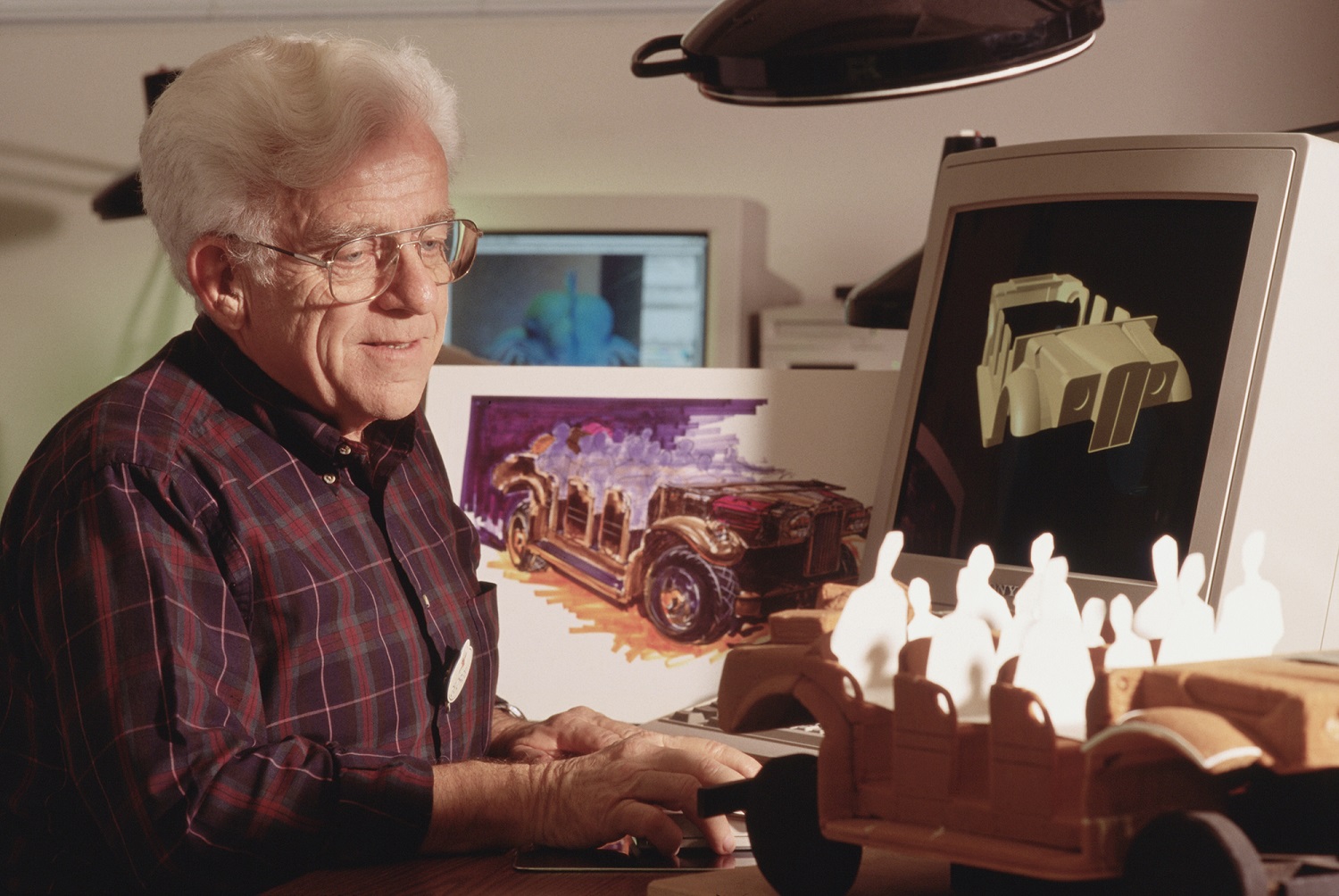
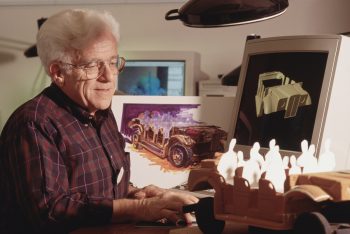
Disney Imagineer George McGinnis with a model of the Indiana Jones Adventure ride vehicle.

This one is tough to write.

Disney Imagineer George McGinnis has died at the age of 87. George was the last Imagineer personally hired by Walt Disney, and in his thirty years with Disney he worked on many classic attractions including my all-time favorite Imagineering masterpiece, Horizons. He was also a great guy.

George was the first of the Legendary-era Imagineers I ever met. In 2009 my brother and I went to California for the D23 Expo. It was my first trip to California and both of our first trip to Disneyland. It was a total-immersion situation with Disney Legends and shenanigans going on all around us, but nothing could beat the evening we spent hanging out with George.

George and I had corresponded online for some time, as he was a frequent contributor to our Horizons Tribute discussion group on Yahoo (ah, those were the days). He invited Jeff and I up to Glendale for dinner so we went, slightly awestruck by the circumstances.

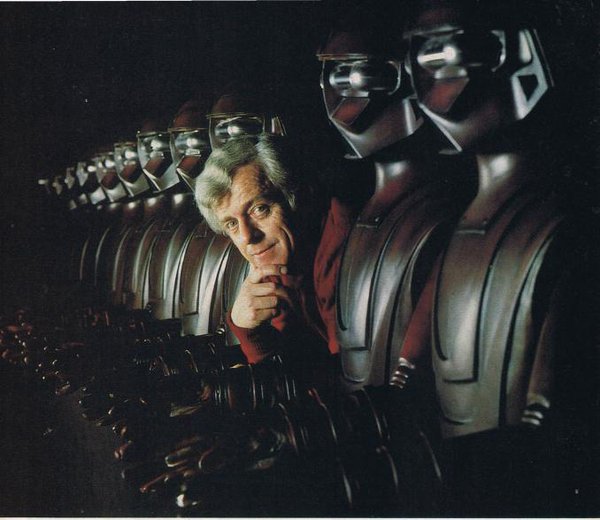
George welcomed us into his house and toured us through his office, full of paper and foamcore models of some of the famous ride vehicles he helped design. There were reminders of his storied career everywhere – a picture sat to the side showing him alongside the malevolent robot Maximillian from The Black Hole, which he also designed.
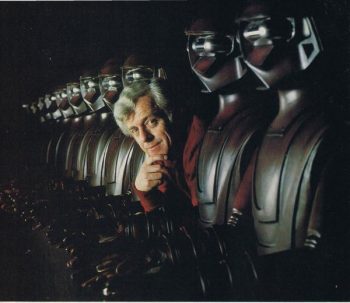
George and some of his Black Hole creations.

George took us out and showed us around Glendale, driving us around the old office park where Walt Disney Imagineering is located. We got the full historic tour of the area – which office had belonged to whom, which parking lot was the one where they tested the Star Tours simulator mockup back in the day, where all the great events of Imagineering’s past had taken place.

We went to dinner at the Americana in Glendale, where he showed us the trolley system he had designed for them (he did the same for The Grove in Los Angeles). He bought us dinner and reveled us with tales, discussing far more than things Disney – lots of politics and philosophy, about which I was delighted to discover we shared much in common.

The fact that this guy, who had done so much, was willing to take a couple of random fans out for dinner knocked me out at the time, and continues to amaze me today. I still can’t believe I got to know the guy who helped lead the design of the attraction which, undoubtedly, was one of the most formative forces in my life.

Born in Greenville, Pennsylvania, George attended school to become an industrial designer. It was in 1966, at Pasadena’s Art Center College of Design, that Walt Disney, along with Disney Legends John Hench and Bob Gurr, saw George’s student project. George found himself with an invitation to visit the Imagineering offices where he was quickly hired.

George’s first job was to design new modes of transportation for Progress City – Walt’s futuristic city. Working on everything from PeopleMovers to electric golf carts, George created some of the artwork that can be seen in Walt’s famous “EPCOT film” from 1966.

George contributed his skills to Disneyland’s new Tomorrowland of 1967, designing the famous “Mighty Microscope” from Adventures Thru Inner Space and the swirling rockets of the Astro Jets. In preparation for Walt Disney World’s opening, George designed a range of vehicles ranging from the WEDway PeopleMover to parking lot trams. He also contributed to the iconic Nautilus submarines for the 20,000 Leagues Under the Sea attraction. In 1971 George became a show designer, spending several years developing Space Mountain for Walt Disney World and Disneyland.

In 1979, George became Manager of Industrial Design for EPCOT Center. His talent for designing robots led to Epcot’s fondly remembered SMRT-1, as well as the menacing Maximillian and heroic V.I.N.CENT from The Black Hole. Returning to Epcot, George became show designer for Horizons.

In the years that followed, George worked on projects for Disney parks around the globe. He designed the Mark V and Mark VI Disney monorails, worked on the Magic Kingdom’s Dreamflight attraction, and created the trams for the Disney-MGM Studios Backlot Tour. George’s work can be found in ride vehicles for Splash Mountain and the Indiana Jones Adventure, and for Disney’s Animal Kingdom he designed Kilimanjaro Safari jeeps, the Discovery River Cruise rafts, and the Wildlife Express steam engines. After his 1995 retirement he continued to consult on a number of projects, including the Rocket Rods, Kali River Rapids, Grizzly River Run, and others transportation projects inside and outside of Disney.

George published his autobiography last year. Despite his legendary accomplishments, he has yet to be named an official Disney Legend, an oversight which I hope will someday be rectified.

Thanks, George. You are missed.

George and his family outside Horizons.

Related Posts...

More Disney That Never Was

Few topics are more fascinating for fans than the mysterious realm of unbuilt Disney attractions. Occasionally, we’re lucky enough to come across rarely-seen artwork for these attractions in the online portfolios of Imagineers. I recently spotted a few rare gems in the profile of veteran designer Bob Baranick, and thought I’d point them out here.

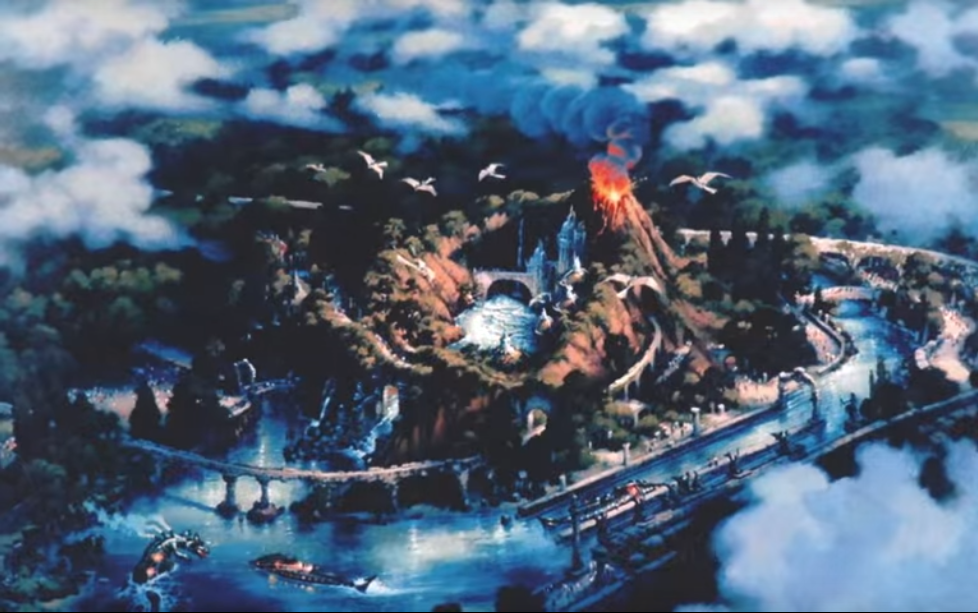
The first is a rare glimpse of Atlantis Encounter, an attraction once proposed for the area in Disneyland’s Tomorrowland currently occupied by the Autopia. This attraction is famous for the brief few days in 2001 or so when Imagineers put up signs around the Disneyland sub lagoon hinting that a new attraction based on Atlantis was on its way.

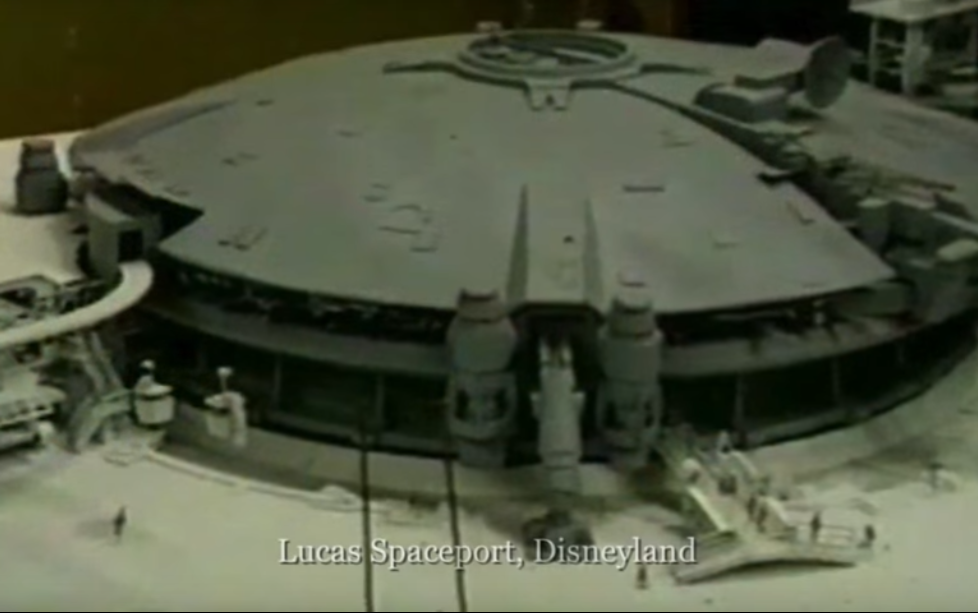
Another treat is this look at the model of the Lucas Spaceport, an early attempt at a Star Wars themed area for Tomorrowland. This would have converted the Carousel of Progress complex into an enormous spacecraft.

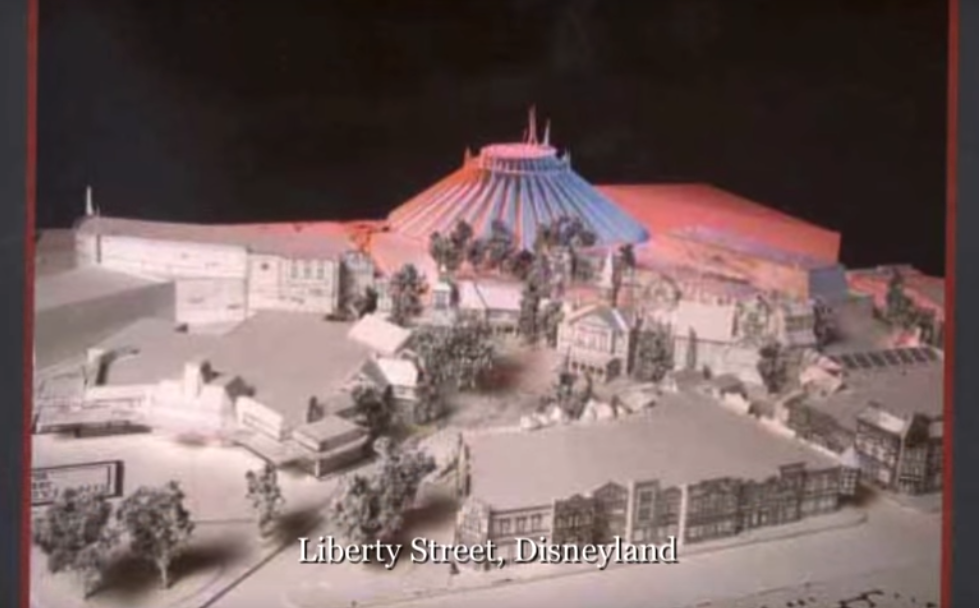
We all know that Disney had planned Liberty Street as an expansion of Disneyland way back in the 1950s, but this model reveals that it was an idea that was revisited at a later date.

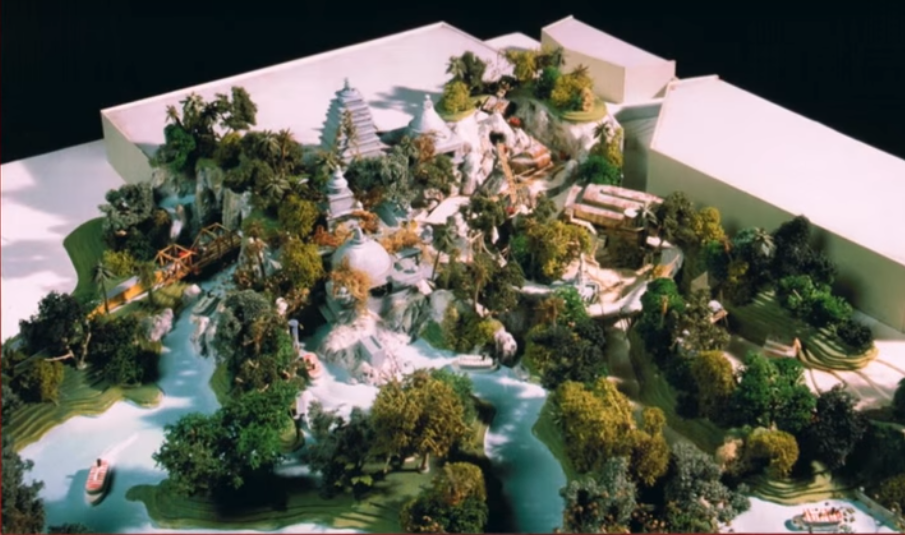
Lastly, here’s an attraction that actually happened, although in a form different than originally envisioned. This is the Indiana Jones Adventure, in an earlier configuration which included the Disneyland Railroad passing through the attraction itself.

Related Posts...

Make Your Own Kinda Magic

It’s Friday! And you deserve some retro Walt Disney World goodness.

This video comes from 1993. It’s one of a series of videos produced by General Motors for guests to the World of Motion pavilion at Epcot. Guests to the pavilion’s TransCenter were given a postcard they could send away to receive a free video. And what a video!

This tour of Walt Disney World is a nice time capsule of the era. Especially compelling is the Epcot footage, as 1993 was the last year of the original Epcot Center lineup. It was the last time you could see the full slate of amazing attractions in one fell swoop.

Related Posts...

Book Review: They Drew As They Pleased: The Hidden Art of Disney’s Musical Years

They Drew As They Pleased

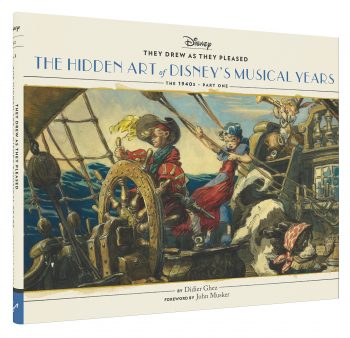
I recently received a review copy of Didier Ghez‘s latest masterpiece, They Drew As they Pleased: The Hidden Art of Disney’s Musical Years – The 1940s – Part One. I’m pleased to report that – unsurprisingly – it’s another fantastic effort by Didier with an incredible amount of previously unseen conceptual artwork from perhaps the most fascinating period in the Studio’s history.

For those of you unfamiliar with this series, of which this volume is the second release, each installation of They Drew As They Pleased focuses on the work of notable Disney concept artists. For this title, which highlights the Studio’s output in the early 1940s, Didier brings us a look at five artists – Walt Scott, Kay Nielsen, Sylvia Holland, Retta Scott, and David Hall. These artists are legends for a reason, and their fascinating stories and incredible art are brought to vivid light by Didier’s research.

The early 1940s was a busy time at the Disney Studio; the success of Snow White and the Seven Dwarfs fueled a boom in both Walt’s ambition and in the scope of the Studio’s talent pool. Artists swarmed to the Studio lot from across the world, working on a number of fascinating projects with lofty ambitions. Before a number of factors combined to bring this golden age to a halt, a slew of incredibly talented conceptual artists toiled away, brainstorming on seemingly endless flights of fancy and producing some of the most stunning art to ever emerge from the Studio.

By keeping the focus on individual artists, Didier is able to explore stories that have not previously been told, and to give a more in-depth look at the lives and careers of these unique individuals. The art is, obviously, excellent as well; Kay Nielsen has always been a particular favorite of mine and seeing such a large collection of his art is always welcome. If there’s a complaint to be made it’s that sometime the physical size and layout of the book isn’t large enough to fully present the grandeur of the art, but that’s a minor quibble.

This era of Disney animation history is my favorite. I’m intrigued by the many avenues the artists were exploring, and it’s really the last truly experimental phase in the Studio’s history. These projects are endlessly fascinating to me even when they weren’t entirely successful, and I’d love to see more collections of writing and artwork about these films. While the nature of They Drew As They Pleased precludes a film-by-film approach to the material, that’s something I’d like to read as well.

Didier’s impeccable research (and exhausting work ethic) have made this title one of the must-have Disney books of the year. Endless digging has revealed rare artwork and anecdotes, which is always welcome. (Incidentally, it was rather depressing to me to see how much of this priceless and historically valuable artwork has slipped out of the Studio’s grasp into the hands of private collectors and auction houses. To paraphrase Dr. Jones, it belongs in the ARL!)

This latest volume of They Drew As They Pleased goes on sale today; obviously it (as well as the previous title in the series) get my highest recommendation.

You can also view a preview of the book thanks to Google Books.

Related Posts...

  • No Related Posts

Inside Out! Episode Five

It’s been quite a week… quite a month… quite a year… pretty much all around the world. So why not let’s escape all that – escape through space and time to a magical place called 1994. When the world was new.

Yes, it’s time for a new episode of Walt Disney World Inside Out, this time giving us a bit of Halloween in July and some spooky surprises. Let’s take a trip through the Magic Kingdom, Epcot ’95 (oh yes), and the Disney-MGM Studios to see what’s up at Walt Disney World circa October 1994.

Stops include the Twilight Zone Tower of Terror, Pleasure Island’s Comedy Warehouse, and the Norway Pavilion for a trip aboard the Maelstrom. There’s even a rare glimpse of the short-lived Walt Disney Imagineering Labs inside Innoventions. All that plus the usual Video Toaster-and-zydeco madness of the mid-90s. And if you get bored, try Googling the names of all the random kids that our intrepid host interviews throughout the show. Enjoy!

Post-mortem: Note that the show continued the 1994-era trope of being a lying lying liar about the nature of the Tower of Terror. I’m sure we’ve raged before here about how the promo videos of the time always showed a bunch of Blossom-behatted 90s kids standing up inside a falling elevator, and they do it again here. They also manage to fit in the other 90s WDW video trope, misusing footage from Paris’s Phantom Manor as if it was from Haunted Mansion.

It was nice to get a glimpse of the Magic Kingdom’s late lamented House of Magic, though. And is there anything more Eisner-era perfect than a costume lineup of Mighty Ducks, Golden Girls, Pretty Woman, and Sister Act? And, of course a promo for Planet Hollywood. Because muscles!

Related Posts...