We’ve spoken at length – some might say disturbing length – about the fabled “Lost Danish Potties” of World Showcase. Essentially, what are now the bathrooms for EPCOT’s Norway pavilion (opened in 1988) were originally constructed as a stand-alone building in 1982. They were intended for a never-built Denmark pavilion, and even though the facilities were later annexed by the Norse, we’ve looked at how Disney repeatedly tried to bring Denmark into World Showcase afterward.
Before the Imagineers slotted Denmark into the site currently occupied by Norway, they considered other possible locations in World Showcase. One potential site was between the French and United Kingdom pavilions; another, show below from a 1979 rendering, was the area currently occupied by the China pavilion.
After the park opened, plans for a Denmark pavilion faded in favor of building a “Scandinavia” pavilion which would represent several nations in the region. This was, naturally, an issue of money; if a single nation couldn’t underwrite a pavilion, perhaps several could.
In the end, only Norwegian corporations (and the Norwegian government) came through with sponsorship cash, so “Scandinavia” became simply “Norway: Gateway to Scandinavia”. By billing the pavilion as such, it left the door open for future participation by other nations yet let Norway have the spotlight to themselves.
But what of this mystery “Scandinavia” pavilion, sandwiched (Handwiched?) historically between the Denmark and Norway pavilion concepts? Take a look…
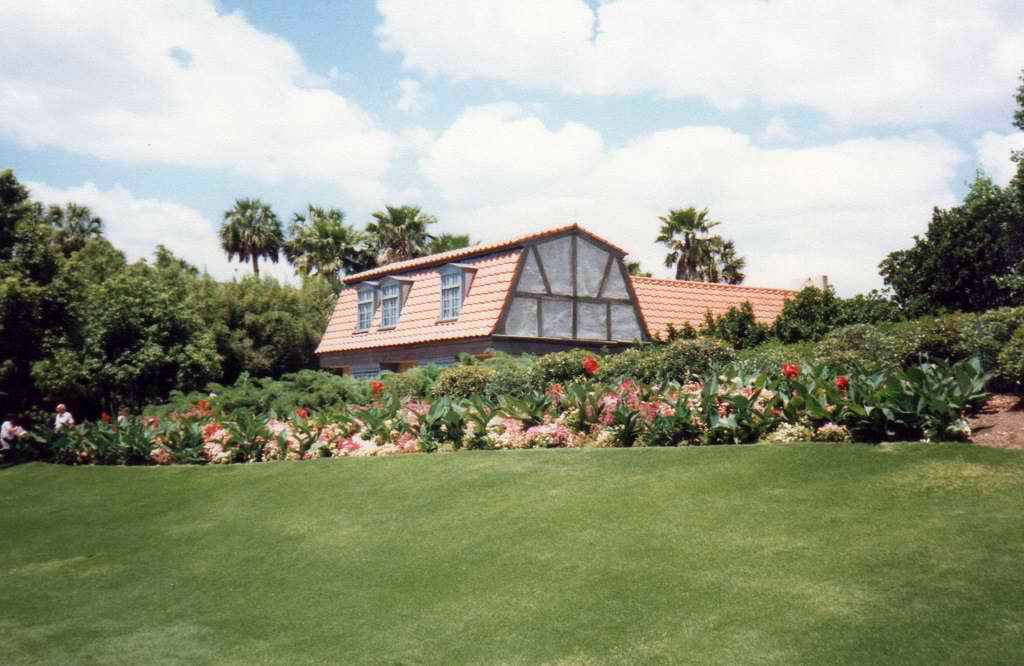
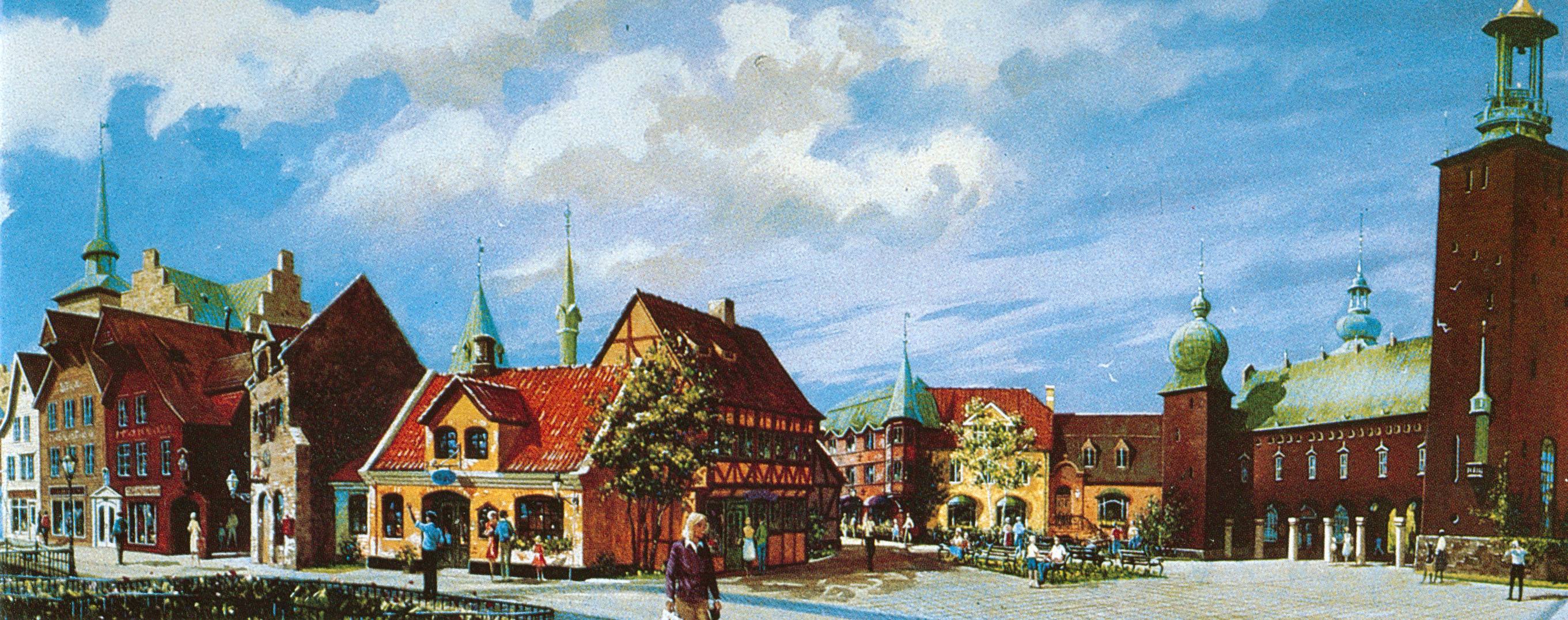
EPCOT's Scandinavia, as seen from the promenade
A closer look at EPCOT's Scandinavia pavilion
These undated pieces of art show a pavilion much more similar to today’s Norway than to the original Denmark concepts. They also appear to depict a somewhat larger pavilion, which would make sense considering that it was to represent multiple nations.
In the end, only Norway came to pass, but we live in hope that someday the eleven nations of World Showcase will get some new company.
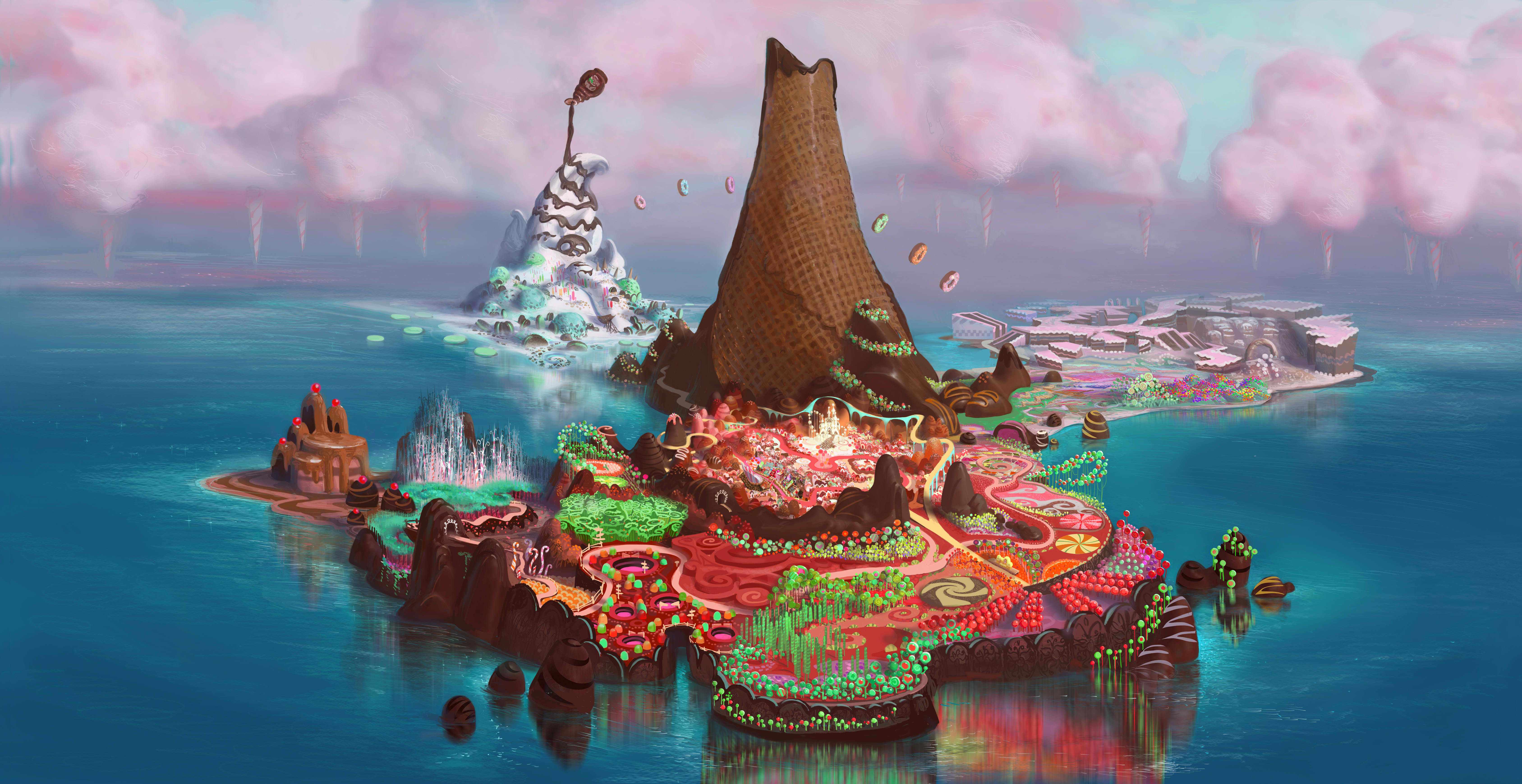
A few pieces of art have emerged from Disney animation’s upcoming (and awkwardly-named) 2012 release, Wreck-It Ralph. The computer-rendered film tells the story of an 8-bit era video game villain in the Donkey Kong vein who has to deal not only with living in the modern digital world but also the fact that his heart just isn’t in villainy anymore. It’s a film that has been in turnaround a few times (its original titles was Joe Jump, and then Reboot Ralph) and its original creator has since left the company, but the story reels that were shown at the D23 Expo in 2011 were quite promising.
Wreck-It Ralph arrives in theaters on November 2nd, 2012.
Wreck-It Ralph glumly contemplates the building which he is tasked to destroy day in and day out
"Hero's Duty", a modern "Halo"-esque shooter, is one of the more modern games that Ralph escapes into in his quest to become a hero
"Sugar Rush" is a kart racing game into which Ralph escapes, and it is the source of a threat that will imperil the entire arcade
Making the rounds on Twitter last weekend was this remarkable video, made by the Bell System in 1982 to promote their sponsorship of Spaceship Earth at the newly-opened EPCOT Center. The “Chronicle News Update” contains a chat with AT&T president William Ellinghaus, who presided over the pavilion’s opening ceremony, as well as Disney CEO Card Walker.
More importantly, it contains a look beyond the pavilion to AT&T’s other contributions to the park, which were found at FutureCom in CommuniCore West. Long-gone exhibits such as “The Amazing Microchip” and the “Network Map” are shown, as is the still-spectacular Information Fountain and the folk-art (and song!) that were part of the Age of Information show. It really does get across how funky CommuniCore was back in the day, and underscores the pleasant atmosphere that has been lost in years since.
Another nice treat for EPCOT history buffs is the footage of the WorldKey Information System kiosk that graced the bridge from Future World to World Showcase; this is one of the less-remembered WorldKey outposts so it’s good to have this video. I’m fascinated by the clip of the WorldKey system itself that they show during the film – it is not the WorldKey that I recall. The icons are far more primitive, and the voice is not “Bit” – the character who would later host the WorldKey presentations. Perhaps this is a prototype of the system? WorldKey was tested in various Walt Disney World locations in the years leading up to EPCOT’s opening, and I wonder if this isn’t one of those prototype implementations.
This video is one of several posted by the AT&T Archives; I highly recommend that you check out their YouTube channel for a number of remarkable films and videos from the last century. Some are quite amazing – and hilarious.
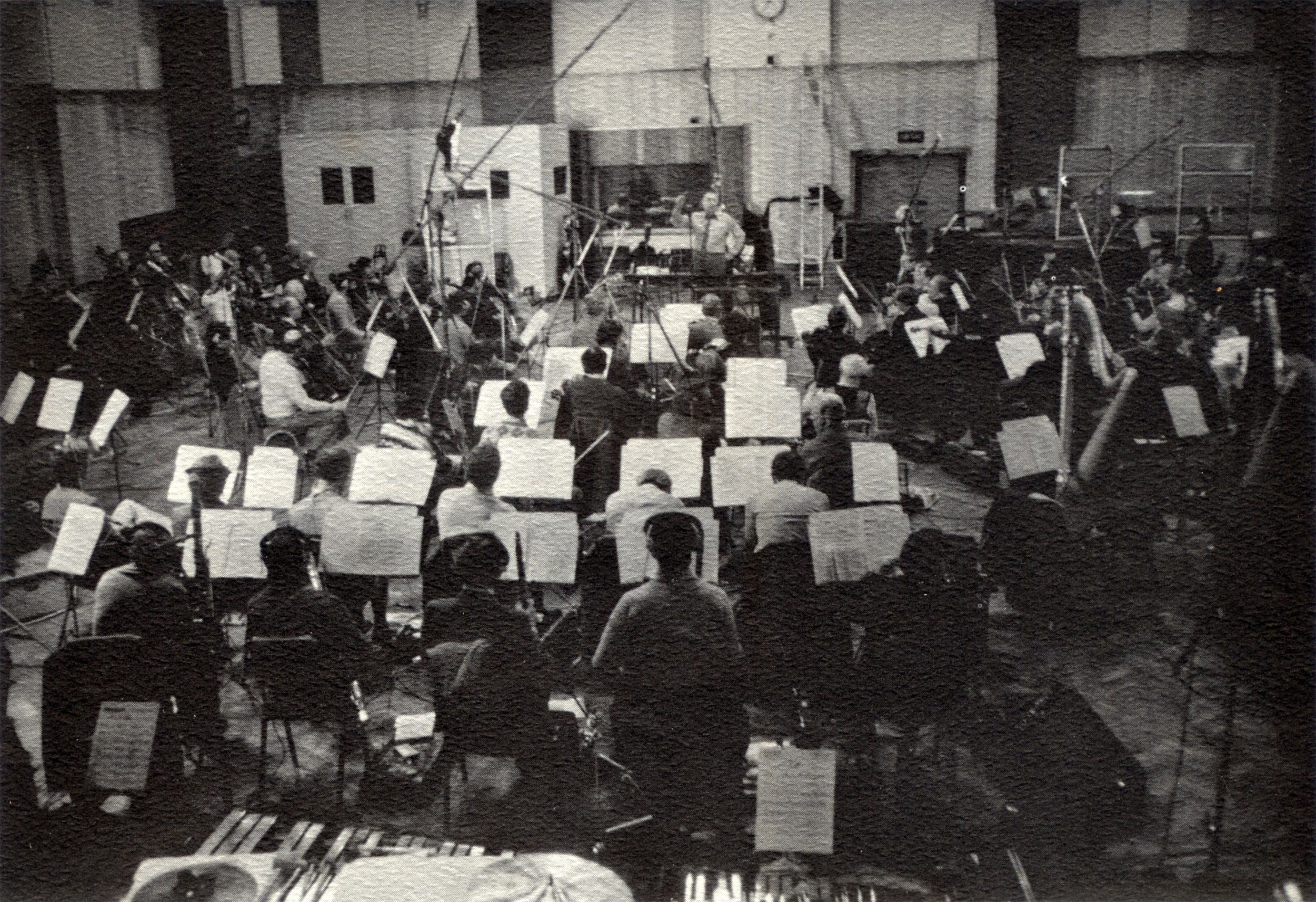
"Buddy Baker, Director of Music at WED & MAPO, conducting the National Philharmonic Orchestra inside the EMI/Abbey Road Studio in London"
In 1982 Buddy Baker was a busy man, jetting around the world to record the scores for a slew of new attractions and films for EPCOT Center. For the French pavilion’s Impressions de France, Baker and other Disney personnel traveled to London to record the National Philharmonic Orchestra at the fabled EMI/Abbey Road Studios. This marked the first time a film had been produced with an entirely digital soundtrack.
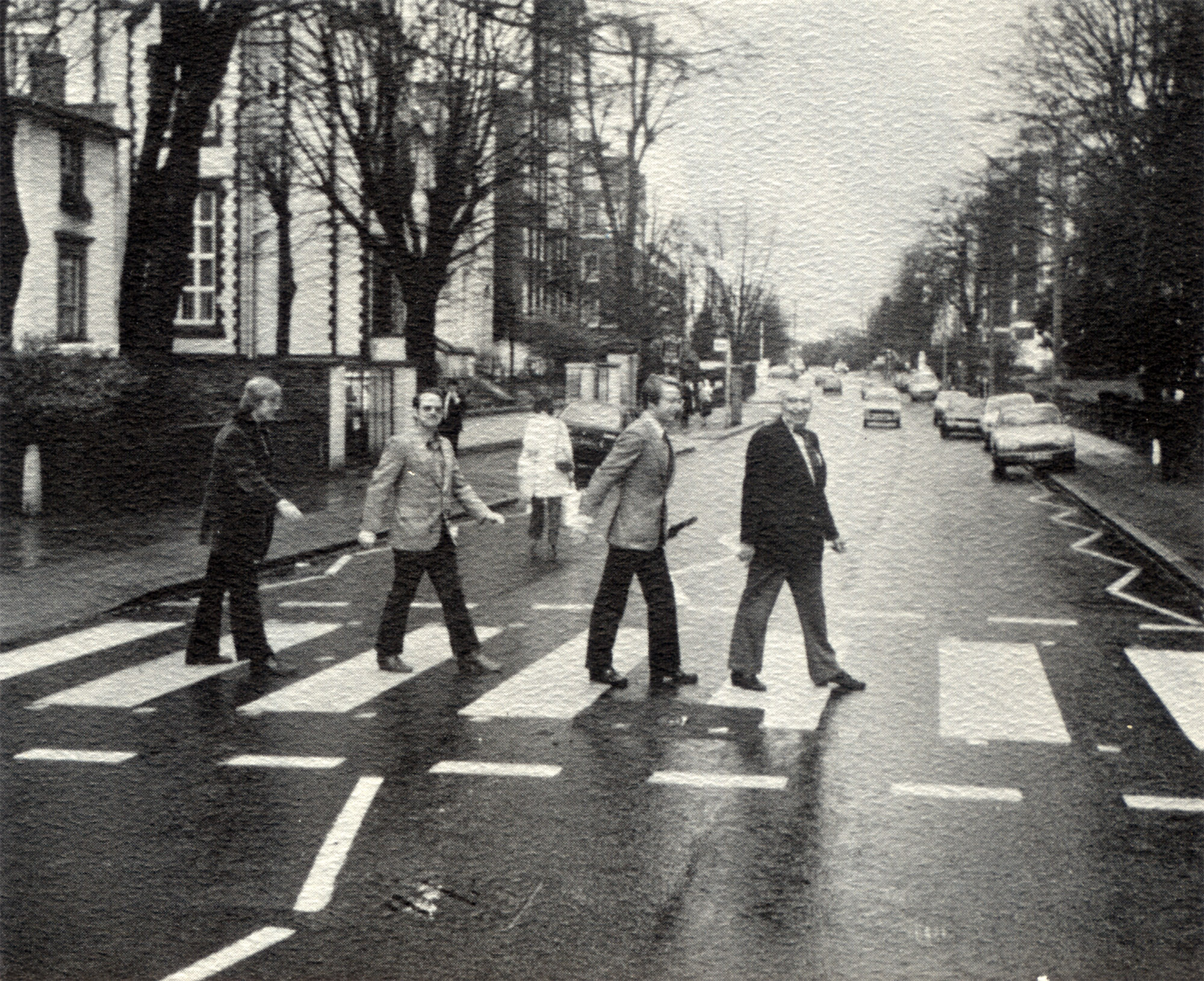
And, obviously, you can’t visit Abbey Road without the requisite photo op…
"Buddy Baker of Show Design, Rick Harper, formerly of Show Design and Glenn Barker and Dave Spencer of the Audio/Video Dept. cross London's Abbey Road"
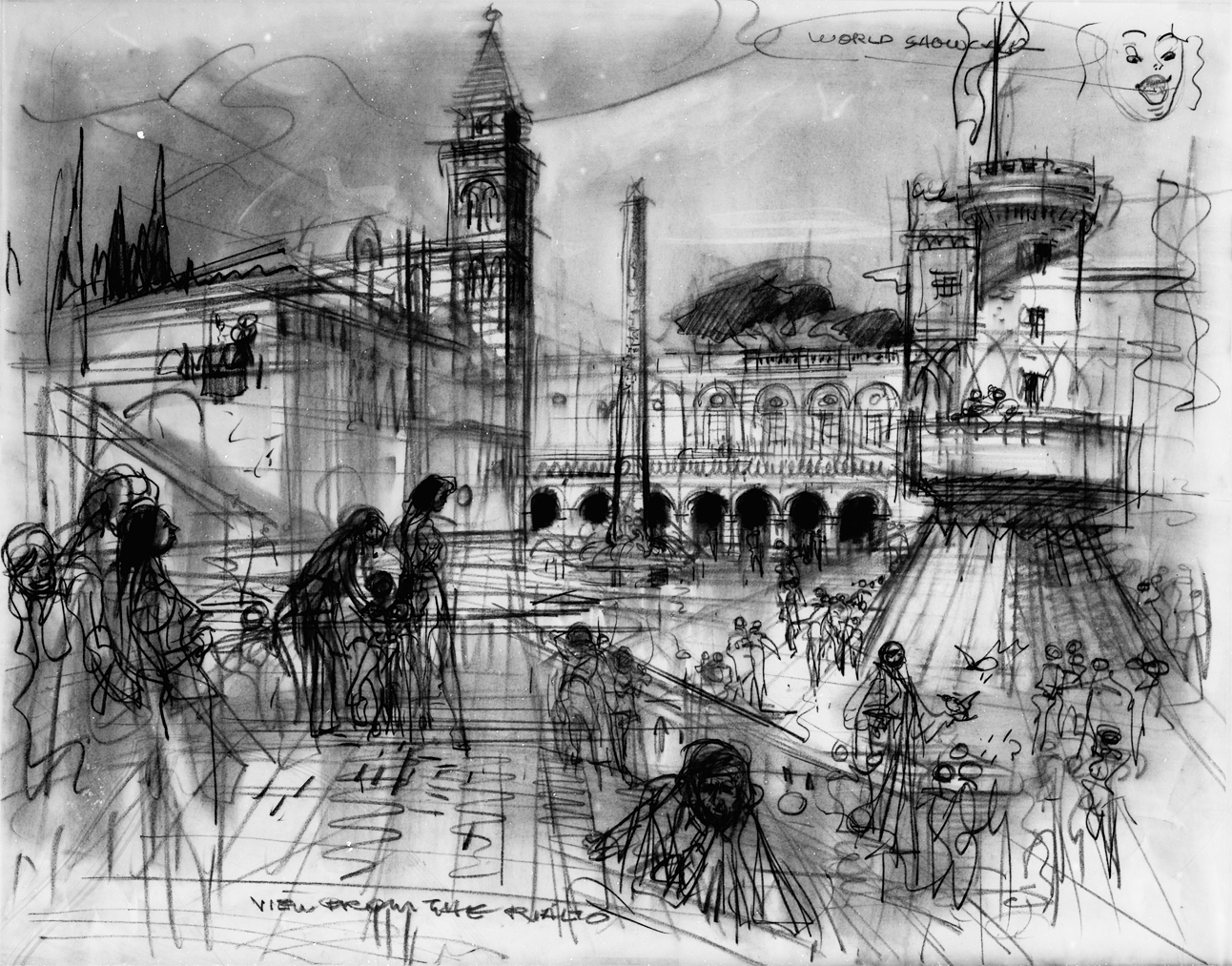
Courtesy of John Donaldson come these sketches by Herb Ryman; they are preliminary studies for EPCOT’s Italy pavilion. While they are merely sketches, they do convey a Rymanesque sense of atmosphere and – of course – hint at a cast of interesting characters in the foreground.
The landmarks depicted do differ somewhat from the pavilion as we know it. The campanile and the building in the rear resemble the St. Mark’s Square replicas found in EPCOT today, but the obelisk is more reminiscent of one found in Vatican City than in Venice. In the foreground, you can make out the caption “view from the Rialto”; this alludes to Venice’s Rialto Bridge, which does receive a nod in the current pavilion’s design.
Here’s another perspective on Ryman’s design. Note the caption for the puppet show and the organ grinder – and also that the art was due Wednesday afternoon!
While these pieces were never intended to be seen by the public, they are an interesting look at the early phases of Imagineering artwork. And perhaps they can make us mere mortals feel a little better that even the greats had to sketch things out first instead of going straight into painting a masterpiece!
From the Progress City archives comes this collection of 33 tall tales and true from Disney history. Available in paperback, hardback, and ebook formats.











Recent Comments